

High-Performance Computing (HPC) Servers and Solutions
High-Performance Computing Servers
HPC (High-Performance Computing) servers—often referred to as a compute node—are fundamentally different from standard enterprise servers. Instead of handling isolated business tasks, HPC servers are specialized systems designed to process massive datasets and perform complex calculations at extremely high speeds. They achieve this by using clusters of interconnected processors that work in parallel to solve computational problems in fields like scientific research, engineering simulations, and data analysis, where standard computers fall short.
Performance Across the Stack
HPC servers consist of compute, storage, and networking components. Compute systems include high-performance processors and GPUs for parallel processing. Storage systems ensure fast data access and management for large datasets. Networking provides low-latency, high-bandwidth connections for efficient communication between nodes. These elements work together to deliver the performance needed for large-scale computations and data-intensive tasks.
ASI, Your BRIDGE to HPC
As a multi-layered technology distributor, ASI gives our clients access to the latest server, CPU, GPU, memory, SSD, and networking technologies enabling a significant competitive edge over less agile national brands.
High Density Computer Power – Mitac and AMD
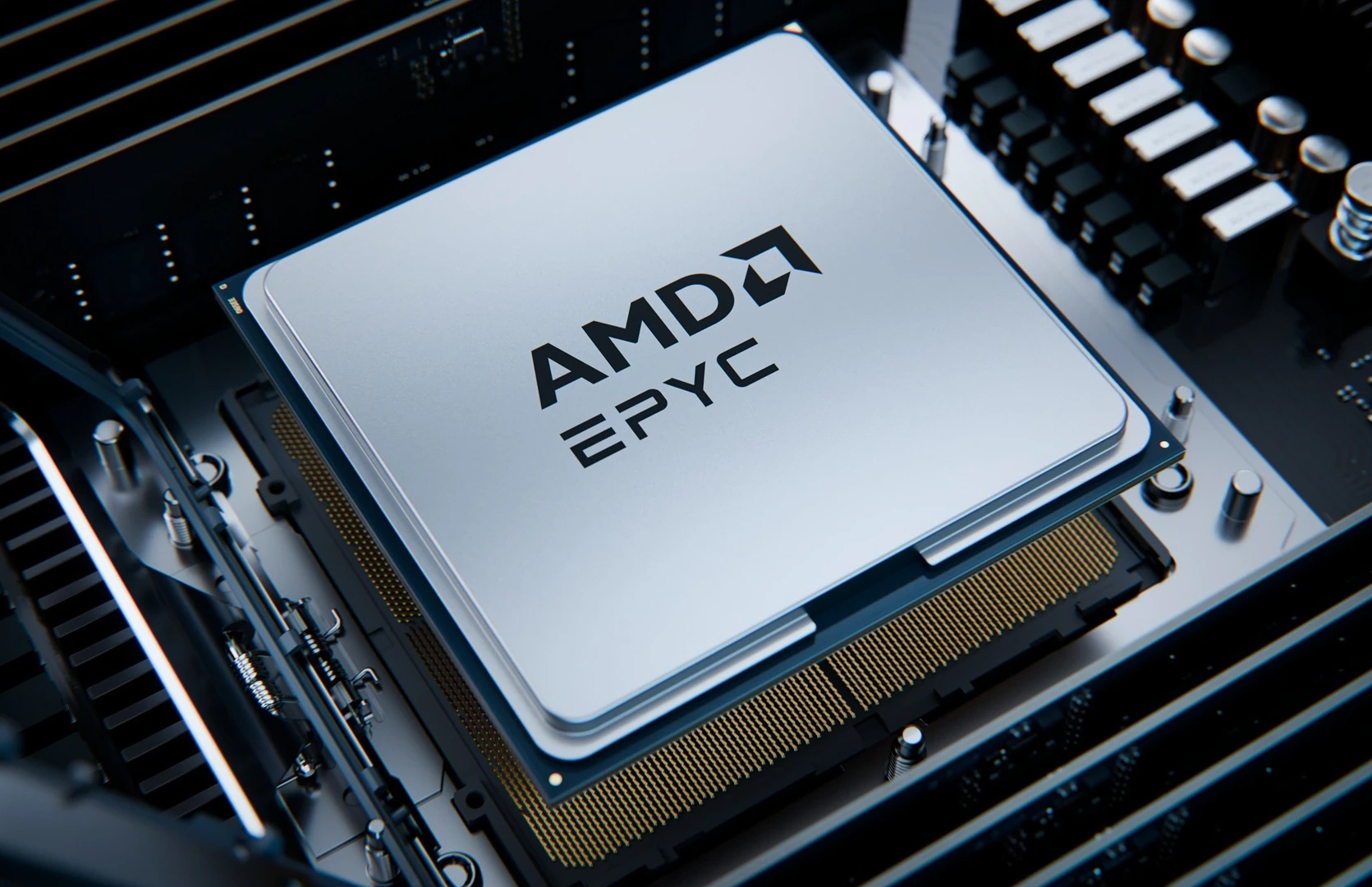
AMD EPYC processors combine massive core count density, high memory bandwidth, and extensive I/O capacity to support HPC workloads such as scientific simulations, and weather modeling to execute simultaneously across extremely large data-sets.
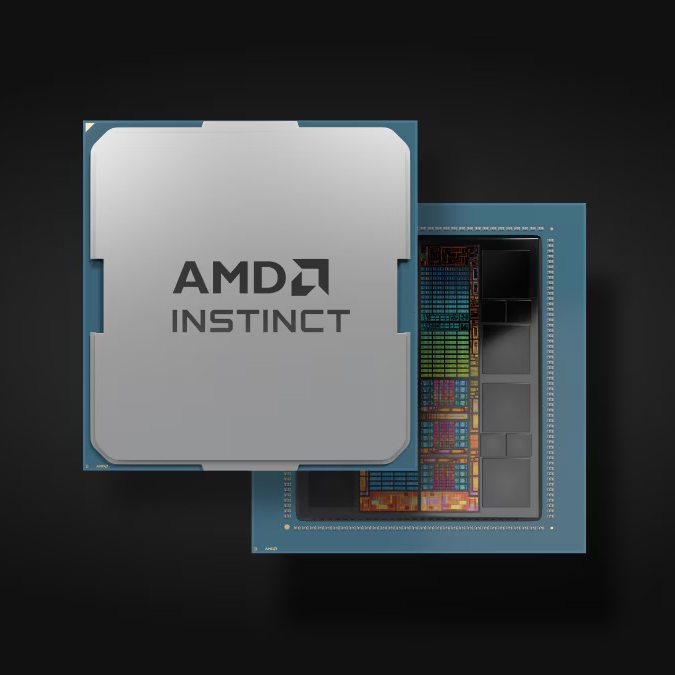
AMD Instinct GPUs are vital in HPC servers due to their unparalleled ability to perform parallel processing, making them indispensable for compute-intensive tasks such as deep learning, molecular modeling, and real-time rendering.

Mitac Computing partners closely with AMD to offer a full family of multi-node, GPU, storage, blade, and OCP-compliant servers validated with AMD EPYC CPU, and AMD Instinct GPUs. In addition to base barebone servers Mitac offers comprehensive rack integration services including rack scale testing for both liquid and air-cooled product lines.
Advanced Fabric Networking
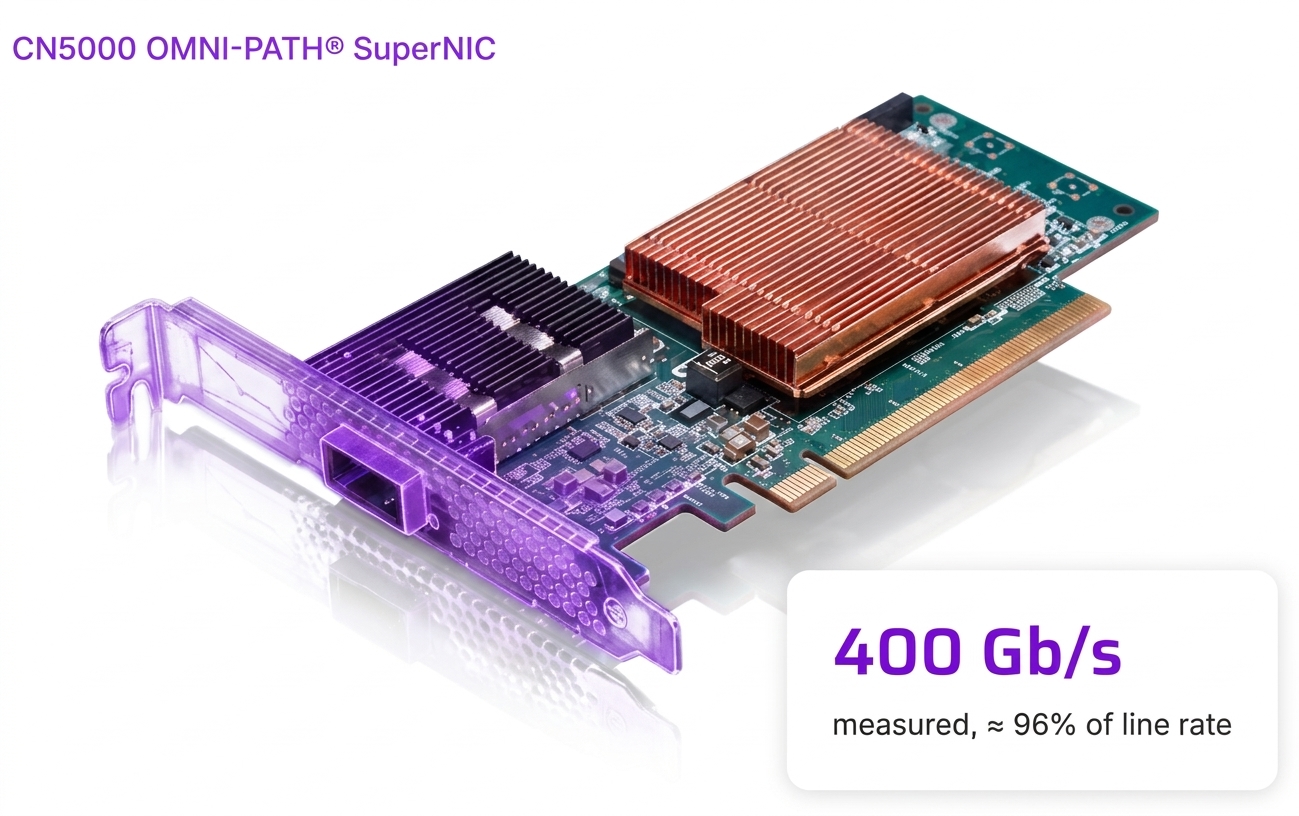
Traditional Ethernet is often too slow for tightly coupled HPC jobs where nodes must constantly talk to one another. High-speed networking is vital for HPC servers to enable low-latency communication and efficient data transfer between nodes. In parallel processing, rapid data exchange ensures synchronization and maintains performance. This is crucial for tasks like real-time simulations, large-scale data analysis, and AI model training, where delays can impact results. High-bandwidth connections optimize HPC efficiency.
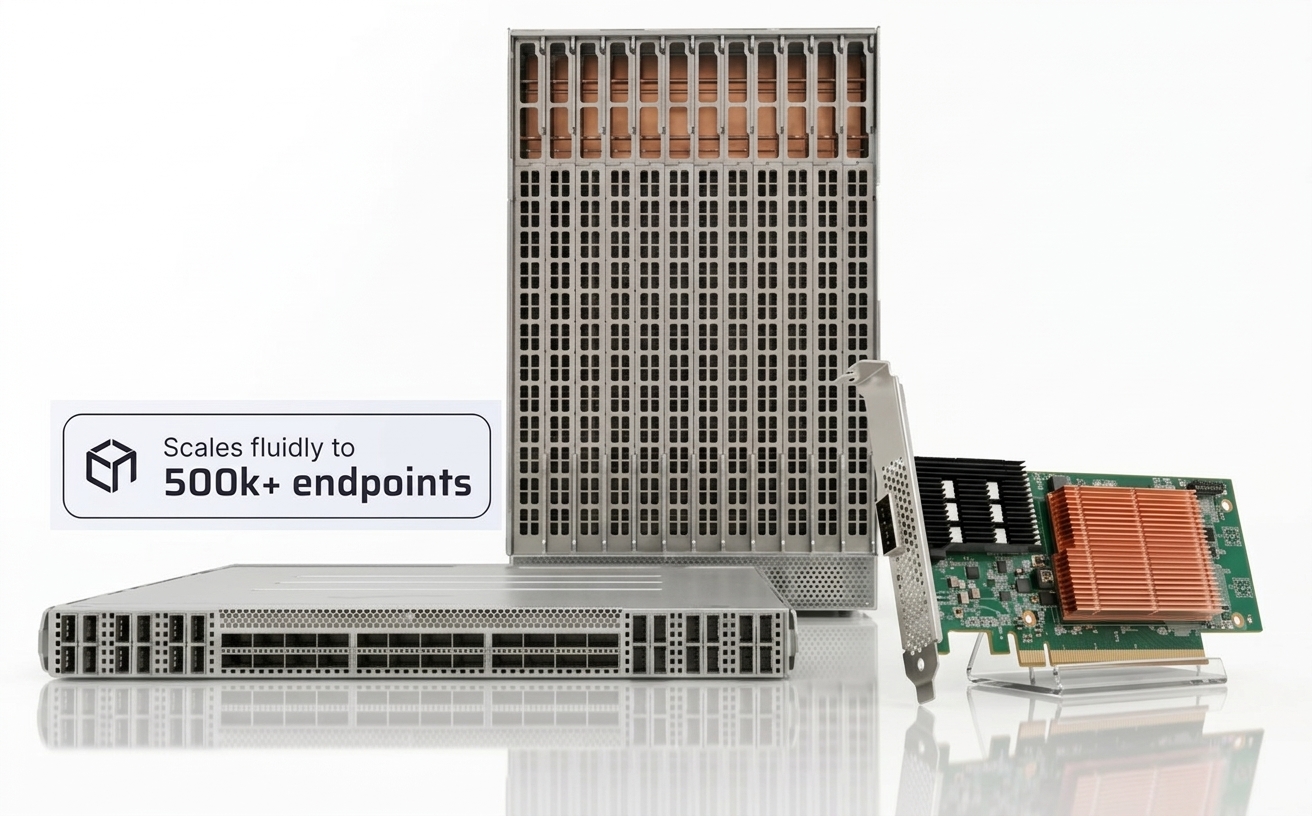
Based on Omni-Path Technology, Cornelis Networking solutions are designed from the ground up to maximize HPC performance. With a heritage of speed, the CN5000 excels at delivering ultra-low-latency performance and the highest message rate consistency to provide up to 2x faster performance in HPC benchmark applications.
The CN5000 Switch is engineered to scale seamlessly across thousands of nodes, leveraging advanced network routing, intelligent traffic flow management, and zero-latency packet integrity protection. Delivering up to 400Gbps of bidirectional bandwidth, the CN5000 Switch is designed to support the most demanding HPC, AI training and inference tasks. Equipped with cutting-edge telemetry capabilities, the CN5000 Switch provides consistent, reliable network performance.